How we work
This page provides a summary of answers to frequently asked questions about the management and administration of state-owned properties. The page is intended for everyone interested in the management of €4.8 billion of national wealth.
How are state-owned real estate assets managed?
The state owns almost 9,000 buildings, which have a total of 5.9 million square metres of facilities. The portfolio includes police buildings and law courts, prisons, laboratories, museums, ministries and government agency offices as well as Finnish Defence Forces’ premises as well as 1,000 protected buildings.
State-owned real estate is managed by Senate Group, which acts under the guidance and direction of the Ministry of Finance and the Parliament of Finland. Senate Group comprises the parent unincorporated state enterprise Senate Properties and its subsidiary unincorporated state enterprise Defence Properties Finland. The Ministry of Defence guides and directs Defence Properties Finland in the production of services for the Finnish Defence Forces and partners specified by the Defence Forces.
Central government’s policies on real estate and premises are defined in the Government Real Estate Strategy and the Government Premises Strategy.
Senate Group develops and maintains state-owned built real estate assets. Senate Properties does not make a profit but provides well-functioning, secure facilities using a gross rent model to support central government activities and the work of the personnel in all circumstances.
The management and administration of state-owned property have changed much over the past ten years. A centralised system has been found to work and resulted in savings in facilities costs while the property stock is in better condition than ever. The huge investment programme currently underway for the needs of national defence and the security authorities will increase central government future facilities costs.
Senate Properties is currently the hub of the government’s leasing system, which is based on the gross rent model. Clients pay Senate Properties rent, which covers property investments and other costs. Senate Properties makes no profit on leasing facilities.
The aims of the gross rent model leasing system are efficient, appropriate use of facilities and arranging the maintenance and upkeep of the properties to ensure the buildings remain in good condition.
Senate Properties has reached the goals it set to curb costs. In 2015, the government’s facilities costs were around €800 million and remained at roughly the same level during 2015–2022. Current facilities costs are around €776 million. Total savings of €600 million have been generated.
Over the same period, Senate Properties has invested €2 billion in new facilities and spent €700 million on property maintenance. Senate Properties has sold unneeded properties for more than €1 billion and in the next few years will invest an estimated €600-€700 million a year in central government facilities.
Most of the investments will be allocated to facilities for the security agencies including the Finnish Defence Forces, Police, Finnish Security and Intelligence Service, Border Guard and prisons. The investment programme also includes projects to improve the preparedness of premises such as the provision of power backup solutions. The investment problem implemented will inevitably increase facilities costs. The rents of Senate Properties’ clients are additionally index linked.
We can take excellent care of our common property without squandering public resources. Centralised, professional real estate management means better working spaces, better services for citizens and savings for central government. State-owned premises are currently in good condition and functionally better than ever.
In 2025, Senate Group invested almost €800 million in the premises of its clients.
Most of the newbuild projects involve high-security construction for the Police, the Prison and Probation Service of Finland, which is responsible for prisons, and the Finnish Defence Forces, which imposes its own criteria for the materials used and requires security clearance for everyone at the construction site.
Senate Properties implements the investments and the client agencies pay for the premises on a gross rent basis, which covers the investment costs, property maintenance costs and renovation to maintain the standard of the property. Newbuild and modernisation, which increases the standard of the property, typically result in a rise in the rent level. The client must have allocated sufficient appropriations for the rising costs of the facilities before the project begins.
Construction projects are managed and monitored in accordance with Senate Group’s project management model, which in the early stages commits to a design solution that meets essential needs while minimising implementation costs. Monitoring and cost and quality management are carried out systematically throughout the project.
Most Senate Group’s construction projects are completed in accordance with the project budget. For example, the costs of projects completed based on investment decisions made in 2018-2022, were overall actually lower than budgeted.
In individual cases, the costs of a project can increase in the middle of the project, which is usually due to an expansion of the project content or a change in the client’s needs. Estimating costs is challenging when historically important properties are involved since any defective structural solutions often don’t come to light until dismantling work.
Senate Group also aims to reduce emissions originating in construction and is the first in Finland to set clear emissions targets. The aim is for a reduction in emissions of 25% in all newbuild projects of more than €2 million and a reduction of 15% in repair projects compared with conventional construction.
Particularly in newbuild, wood construction is basically studied as one solution that reduces carbon footprint. In security projects, however, wood construction is generally not an acceptable alternative.
We need to take excellent care of our shared property. This requires dedicated professional skills to implement complex and demanding projects.
A particular challenge for the Police is that most of the premises currently used were built in the 1960s-1980s and have reached the end of their technical life. Besides the need for renovation, the premises also need updating to enable them to also functionally meet the needs of the Police today.
The rent level in the old premises leased by the Police has typically been very low. When a new, modern, high-security building is built, under the gross rent model, the rent is significantly higher than for the old premises. For the investment to go ahead, the Police need appropriations for the rent of the premises.
Senate Properties works closely with the Police and together with the National Police Board has drawn up a roadmap of prioritised premises projects. During the term of lease, Senate Properties will be responsible for the maintenance repairs and renovation of Police premises to maintain the standard of the properties. Renovation does not fundamentally change the standard of the building and thus does not affect the rent charged to the client.
The condition of the premises is regularly monitored. In the event of any indoor air quality issues, we act in accordance with the zero-tolerance policies developed by Senate Properties. Experts promptly study suspected and identified issues, and remedial measures are agreed.
It is important for the Police to have up-to-date, healthy, secure and appropriate premises. The old buildings no longer meet the practical requirements of the Police in terms of the need for space, security or other technical criteria, for example. This leads to newbuild projects in the implementation of Police buildings and this will not be possible without an adequate increase in police operating expenses.
Good, safe working conditions require long-term care of buildings throughout their lifecycle. This requires the right skills, regular monitoring of the condition of the buildings and ensuring their maintenance and upkeep. Encouraged by positive results, Senate Group wants to continue the purposeful development of its operations. In the real estate and construction sector, Senate Group is recognised as a leader in indoor air quality matters.
Above all, we invest in proactive measures to entirely avoid indoor air quality problems. This is based on knowing the condition and repair needs of the buildings and on taking the required action.
Senate Group tackles problems arising promptly and with a response time of one day. Less than 2% of the buildings for which we are responsible are subject to reactive indoor air quality measures.
Whereas property maintenance measures can resolve most indoor air quality problems, sometimes repair measures are needed.
In 2019-2022, Senate Properties has additionally invested a total of €250 million in improving indoor conditions.
Senate Properties’ indoor air quality operations comprise three concepts:
1) quality assurance during construction as well as building upkeep and maintenance
2) continuous development of own indoor air expertise and extensive cooperation
3) proactive detection, prompt reaction and repair supervision and monitoring.
More than 600 buildings in daily use by employees are subject to building inspection. The condition of the structures and ventilation operation is regularly monitored. The aim is that more than 90% of clients’ employees work in inspected premises. In addition, Senate Properties has carried out radon measurements in more than 300 buildings. Radon is a particular indoor air quality problem in Finland.
There are currently a total of 15 effective development projects under way. Everyday activities including rewarding cleaners for indoor air quality observations as well as rapid action teams comprising Senate Properties’ indoor air experts and a specially trained detection dog team. Client satisfaction with indoor air quality and Senate Properties’ approach to dealing with indoor air matters has improved since 2015.
Preparedness and contingency planning have become increasingly important in the light of recent events. Premises and facilities services have an important role in maintaining critical functions in the event of a state of emergency. This is where Senate Properties acts as its clients’ partner.
If needed, Senate Properties makes more detailed contingency agreements with its clients. These agreements agree how the contingency plan will be implemented in practice, what the roles and responsibilities of the client and Senate Properties are, and what expenses the client will incur as a result of the contingency plan. The contingency plan aims to secure critical functions of society.
Preparedness and contingency matters could mean civil defence shelters and emergency escape routes for agencies and Senate Properties is responsible for these. Other special arrangements for a state of emergency include temporary facilities, technical arrangements such as backup power and the availability of services are agreed separately with the client agency concerned.
Senate Properties has implemented and is currently working on a total of hundreds of concrete measures related to preparedness planning. Tasks involve ensuring our own operations as well as developing the operations of service partners and the availability of materials and services in a state of emergency.
Defence Properties Finland, which is responsible for Defence Administration property and part of Senate Group, is in a class of its own. Defence Properties Finland is tasked with ensuring the availability, reliability and continuity of critical Defence Forces’ properties in all security situations.
We primarily pursue carbon neutrality and freedom from fossil fuels by 2035 through our own actions without carbon offsetting. To date, we have already successfully achieved significant emissions reductions by among other things more efficient use of facilities, switching over to using fossil-free energy and by improving the energy efficiency of our properties.
Senate Group is also investing in building solar power systems in state-owned properties. In 2025, the Group had more than 100 solar power plants that produced a total of 4.8 gigawatt-hours of electricity, which would be enough to heat around 300 typical electrically heated single-family homes annually.
Senate Group was the first company in Finland to set numerical emissions reductions targets for construction projects.
In Finland, new national carbon footprint threshold values in accordance with the Construction Act were introduced at the beginning of 2026. From the beginning of 2026, Senate Group switched from percentage-based carbon footprint reduction targets in construction to carbon footprint threshold values (kgCO₂e/m²/a), which guide planning and decision-making in concrete terms. The national threshold values apply to newbuilds. Senate Group has also set internal threshold values for renovation construction and buildings, such as various halls and maintenance facilities, that fall outside the national values.
Senate is also committed to the Green Deal agreement on emission-free work sites and the Circular Economy Green Deal. Safeguarding biodiversity is one of the Group’s key sustainability objectives. The goal is to achieve total zero biodiversity degradation by 2030 in our own land areas.
Senate’s Energy Saving Programme introduced in 2022 and the more than 2,000 measures carried out as a result have delivered annual savings of €10 million to central government.
The most important and most effective way to reduce energy use is to divest premises that are no longer needed. In line with the Government Premises Strategy, Senate Properties promotes the orderly disposal of unnecessary office premises and the transition to working in central government’s shared work environments. Phasing out empty premises means we generate savings, reduce emissions and increase the flexible use of facilities.
Most emissions from the built environment are generated by energy consumption, heating and electricity during use. Senate Group has been and will continue to be a leader in reducing the carbon footprint of its operations.
Before initiating the sales process, a thorough assessment is conducted to determine whether central government agencies have a use for the premises or whether there are any restrictions on the property, for example, from a security perspective.
Before selling state-owned property, the possibility to enhance the value of the property is determined and the value of the asset is developed whenever possible. Properties that have no development potential from the value appreciation aspect are sold directly to new owners. Properties for development are developed only in a risk-free way. In practice, this means the local plan development of real estate assets. Properties for development are developed in partnership with municipalities and cities, and are sold after the appreciation in value obtained by local plan development. The rule of thumb is that Senate Properties cannot make major investments in properties which are intended to be leased and/or sold to a private entity.
Properties are sold at fair value based on bids. Direct sales are possible only to municipalities and cities in special cases, and then, too, transactions are at fair value. During the selling process, Senate Properties ascertains the background, nationality, financing due diligence and financial capacity of the potential buyer.
All the properties coming up for sale are announced publicly. The proceeds from sales are used to finance construction investments for the use of the agencies.
The highest bid does not always win. This might particularly be the case with protected important culture-historical buildings. Senate Properties wants to ensure that the potential owner really does have the resources, ability and knowhow to maintain an important building.
Senate Properties CEO decides on all property transactions up to €0.5 million and the Board of Directors decides on all property transactions up to €10 million. After this, authorisation is vested in the Finnish government and parliament decides transactions more than €30 million.
After corona, the occupation rate of central government office premises has remained lower than earlier. Savings can be obtained by improving the use of the existing premises used.
Senate Group will invest an estimated €600-700 million a year in central government premises in the next few years compared to an earlier investment level of around €250-450 million a year. The investments will be in both in renovation and newbuild. In addition, there will be projects related to more effective preparedness. This will also result in the improved quality of the premises.
Most of the investments will be allocated to premises for the security agencies, which means the Finnish Defence Forces, Police, Finnish Security and Intelligence Service, Border Guard and the prisons of the Prison and Probation Service of Finland.
New prisons are currently under construction in Oulu, Vaala and Vantaa, and in the near future also in Tampere and Kuopio. In addition to the overall renovation of the Finnish Border Guard’s barracks in Immola, there are also extensive projects ongoing in Onttola and Ivalo as well as smaller projects across Finland. For the Defence Forces, an infrastructure project serving the F-35 fighter procurement will be implemented in several locations during this decade.
There are major investments also for other than the security agencies: building sites for the renovation of and extension to the National Museum will start this year, renovation of the House of the Estates for use by the government and extensive upgrading and modernisation of the Government blocks are being planned.
The investment programme to be implemented will increase central government facilities costs by an estimated €25-35 million a year. Central government rents are linked to the cost of living index and so high inflation will also increase the facilities costs of central government actors.
Half of central government employees (around 35,000-40,000) do jobs where remote working is possible. Multi-location working has increased since the covid pandemic. The occupancy rate of central government offices has remained lower than earlier. Underutilised premises should be divested.
More efficient use of the premises can deliver savings. The ambition in the next few years is to reach annualised savings of around €8 million in central government facilities costs. The Ministry of Finance determines the Government Real Estate Strategy and has estimated by that the amount of office space could be reduced by around 45% by 2030 compared to today.
In the past, facility data has been scattered across municipalities and no comprehensive overview of the building stock, facility usage, or costs has been available. Data on facilities owned and rented by municipalities is compiled now into a single information system, the Skenarios service. In addition, a reporting service is available to municipalities for more detailed data analysis. The municipalities’ partner in compiling the data is Senate Properties’ Municipal facilities information service unit.
With facility data centralised in a single system, an up-to-date overview is available at both the municipal and national levels. Up-to-date and comparable data on municipal facilities also contributes to a comprehensive picture of public finances.
Municipalities can use facility data to, for example,
- manage their extensive property assets as a whole
- develop their everyday space management and strategic space management
- make informed decisions about their investments: whether to renovate or build new
- identify savings potential in their facilities costs
- adapt their network of facilities to changes in the population and to evolving needs for facilities and services
- lower their environmental impacts and carbon footprint.
According to current data provided by approximately 20 municipalities, total savings of €69 million in facilities costs were generated in 2025. Based on the data provided, the cumulative potential for savings amounts to nearly €600 million.
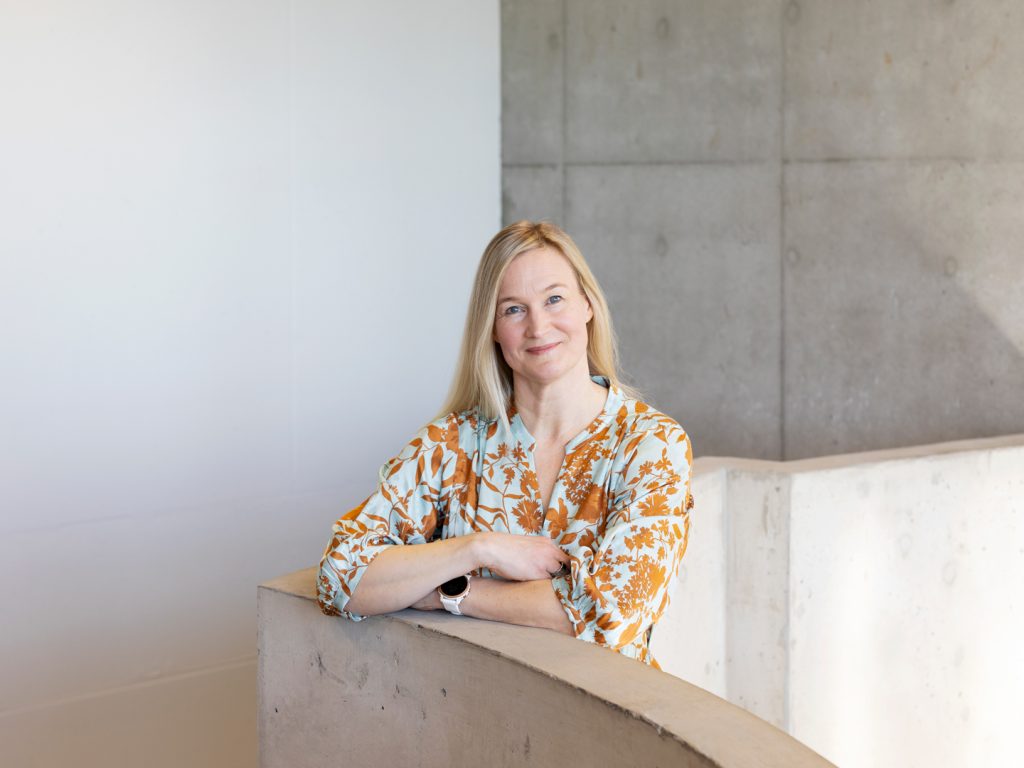
Everyone immediately understood the need to save energy
"The Energy Saving Programme we launched promptly in the autumn had already delivered good results during the winter. Together with our clients, we achieved significant savings,” says Sanna Jääskeläinen, Programme Coordinator, Marketing and Communications Director.
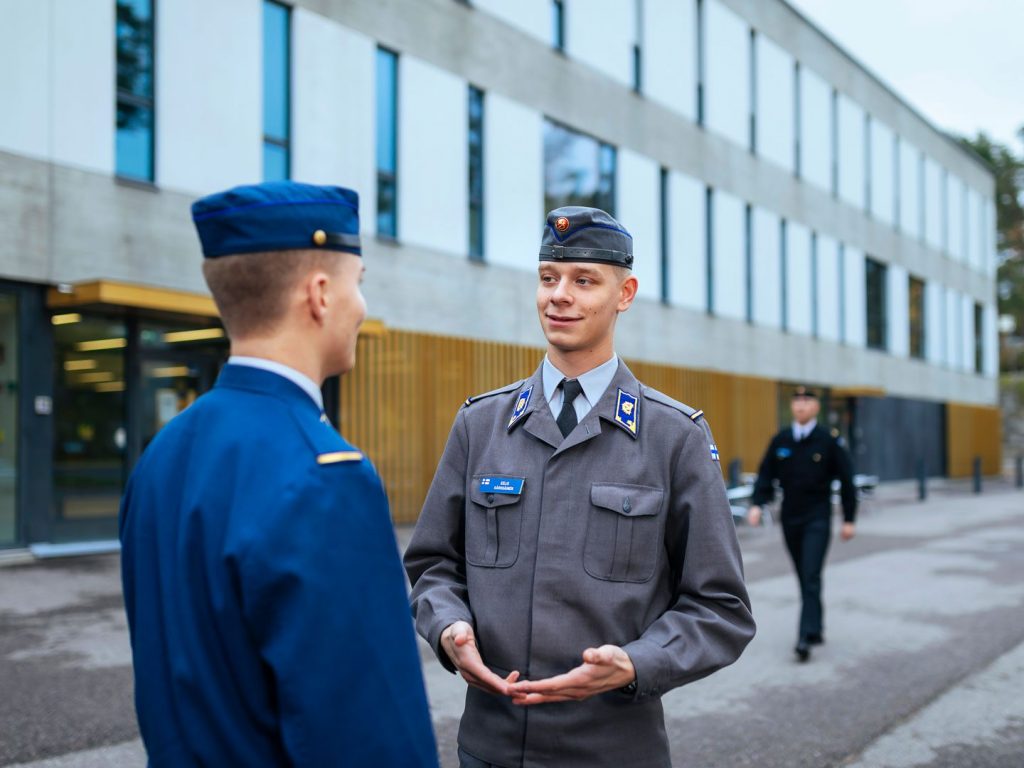
Defence Properties Finland
We are responsible for Defence Administration properties, their upkeep and the organisation of services in all security situations. Readiness, preparation and responsibility are at the core of our activities. We make room for the future and security.

Social responsibility drives our work

For better indoor conditions

Energy Saving Programme decreases energy costs