Smart energy-saving measures curb unnecessary consumption and save millions for central government
The most concrete measure of the Energy Saving Programme still in use is to avoid overheating and maintain an appropriate indoor temperature within the limits required by the specific use of each facility. Some special premises, such as laboratories and museums, have specifically-defined indoor temperature requirements due to their operations, and these are considered when planning cost-saving measures.
The single most important way to save energy is to ensure appropriate, energy-efficient ventilation suited to the needs of the premises and directing it to occupied spaces based on their hours of use and occupancy rates.
Where activities allow, ventilation can be temporarily reduced even during periods of severe cold (below -15°C), which lowers peak demand for electricity and heat. If there is a risk of an electricity shortage in Finland, building-specific demand response measures to limit electricity consumption can be implemented in a limited number of properties.
Senate signed up to new public sector energy efficiency agreement
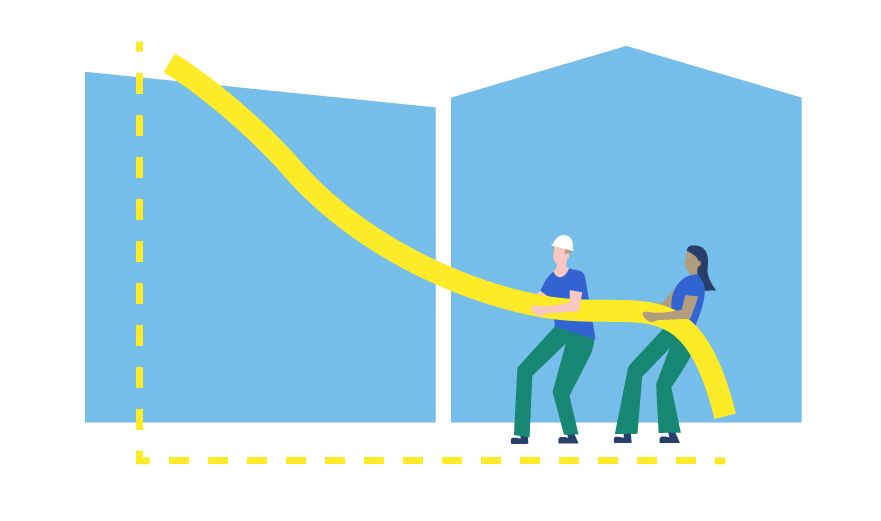
Senate Group has signed up to the new public sector energy efficiency agreement (JETS), under which it has committed to saving energy consumption in the properties covered by the agreement by 10%, or 102.8 GWh, between 2026 and 2035. This equates to the annual energy consumption of approximately ten thousand one-bedroom flats.
During 2026, a new energy efficiency system (ETJ+) will also be rolled out across the entire Group and integrated into the existing environmental management system.
Energy efficiency agreements have been an effective and flexible means chosen by Finland to implement and report on energy savings in accordance with the directives without the need for binding legislation. At the same time, this approach has also ensured compliance with other obligations, such as taking energy efficiency into account in procurement.
”Energy management of buildings is a system in which consumption monitoring, energy audits, reporting and control, together with energy-saving measures, support the continuous improvement of a property’s energy efficiency,” says Tapio Jalo, Specialist at Senate Properties.
Cooperation with facility users
It is important to work with facility users to ensure that all devices using electricity are properly controlled and at the right settings. These include, for example, heat tracing, defrosting, air heater units in draught lobbies, sauna stoves, cold rooms, separately cooled spaces, and kitchen appliances. Lighting is always timed and adjusted according to the actual use of the facilities.
Facility users are informed about energy saving, and especially as the winter heating season begins, they are reminded to dress appropriately for the moderate temperatures in the facilities. Users can also easily report temperatures that are too high or too low via QR codes on the walls or via other service channels.
More information about energy efficiency agreements:
Energy efficiency agreements are voluntary agreements between the government and different sectors that play an important role in Finland’s climate and energy strategy and support Finland’s goal of being carbon neutral by 2035.
Read more: https://energiatehokkuussopimukset.fi/en/