Senate’s guidelines applying to properties of cultural and historical importance
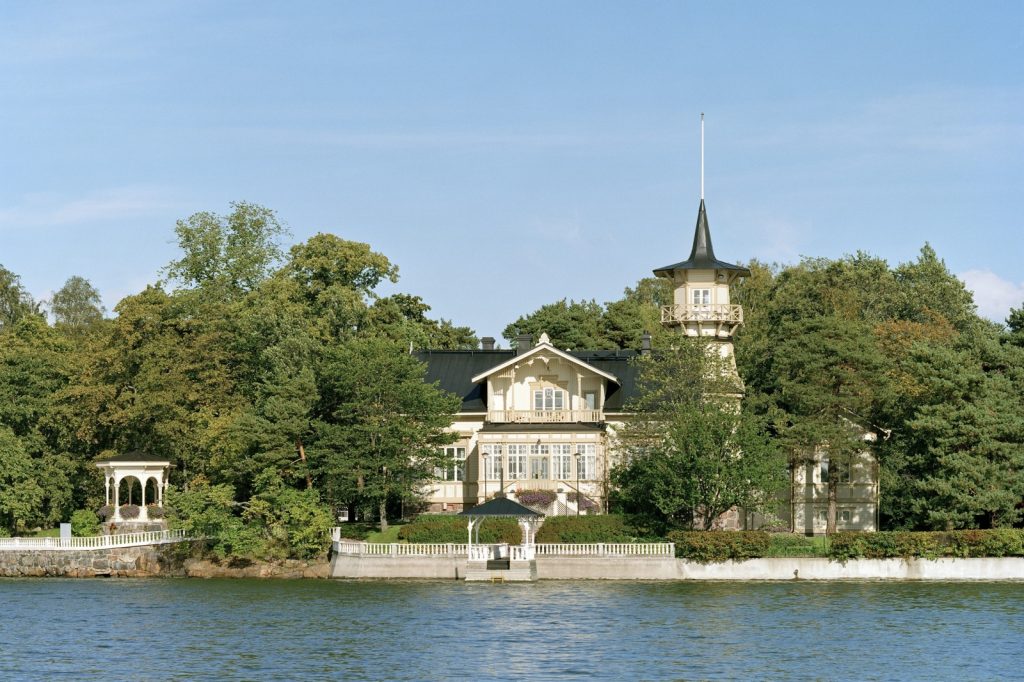
Senate Properties plays a key role in preserving the state's architectural heritage. Approximately 750 of the buildings under our management are officially protected. The protected properties include the administrative and office buildings of government ministries and agencies, cultural buildings, museums and Finland’s mediaeval castles.
Besides protected buildings, a number of properties without official protection status have been selected as so-called voluntary protection properties, including areas of the defence administration and newer buildings. They are managed along the same principles as protected buildings.
We ensure that the cultural value of the properties under our management is maintained in accordance with the principles of social responsibility. Well-timed and appropriately scaled repairs ensure that the architectural and cultural-historical values of the properties are preserved and that the premises remain usable. Continuous use provides an economic basis for building maintenance and repairs.
We have added the principles for taking care of historic buildings to our guidelines, which we undertake to comply with. We work closely with the Finnish Heritage Agency in matters concerning protection.
Cooperation with the Finnish Heritage Agency
The Finnish Heritage Agency is the expert authority on the built cultural heritage and the cultural environment in central government and is Senate’s key partner in issues related to the identification and preservation of our architectural heritage. We contact the Finnish Heritage Agency well ahead of renovation projects and sales. We also seek the Finnish Heritage Agency’s expertise in matters of maintenance.
The Finnish Heritage Agency and Senate have entered into a Cooperation Agreement, which defines the areas of cooperation in more detail. The cooperation group meets 3-4 times a year to discuss current issues and projects.
Expertise required for high-end properties
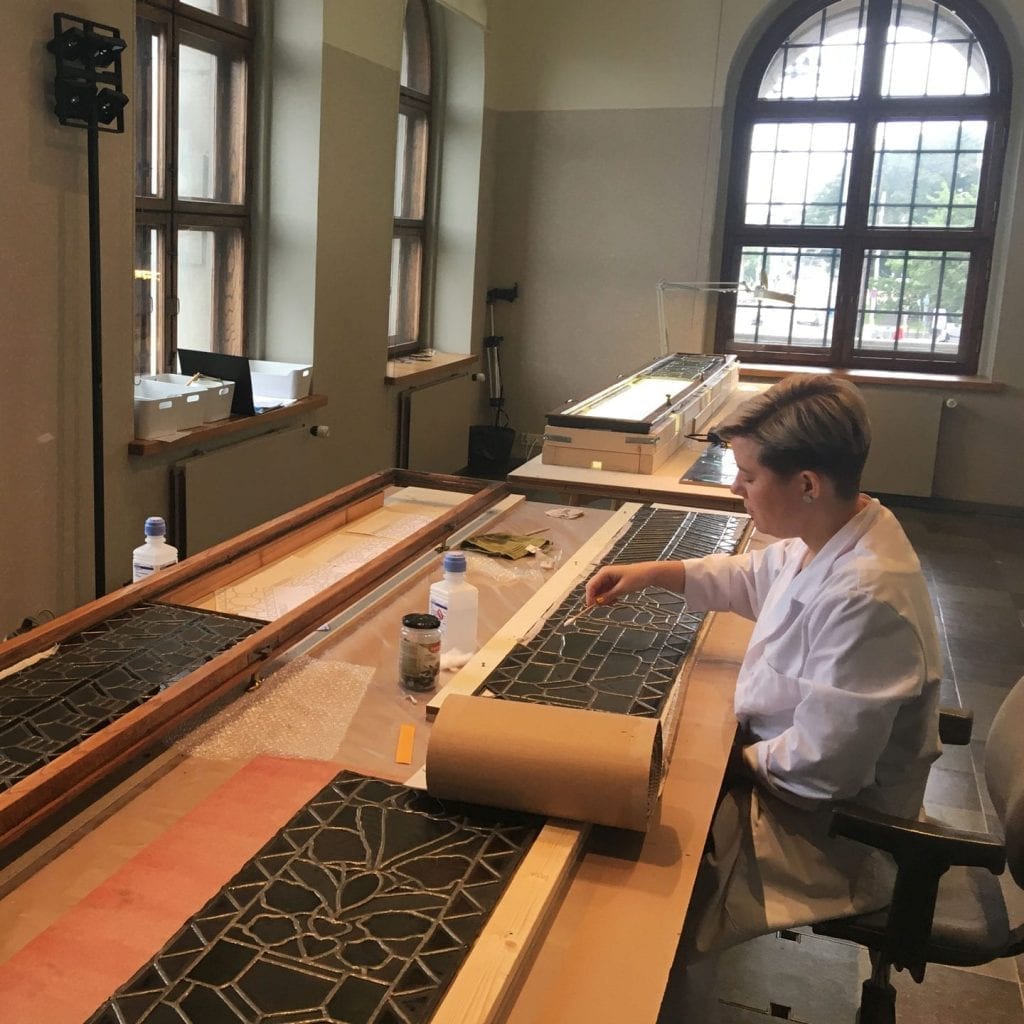
Survey, planning, and implementation work concerning properties of cultural and historical importance is carried out by professionals familiar with architectural conservation and restauration, as this is a field that requires special expertise. The Finnish Heritage Agency is also an important expert partner. To facilitate ordering, tenders have been put out for framework agreement partners:
• Architectural history consultants
• Restoration architects
• Restoration contractors
• Conservation contractors.
Surveys and studies
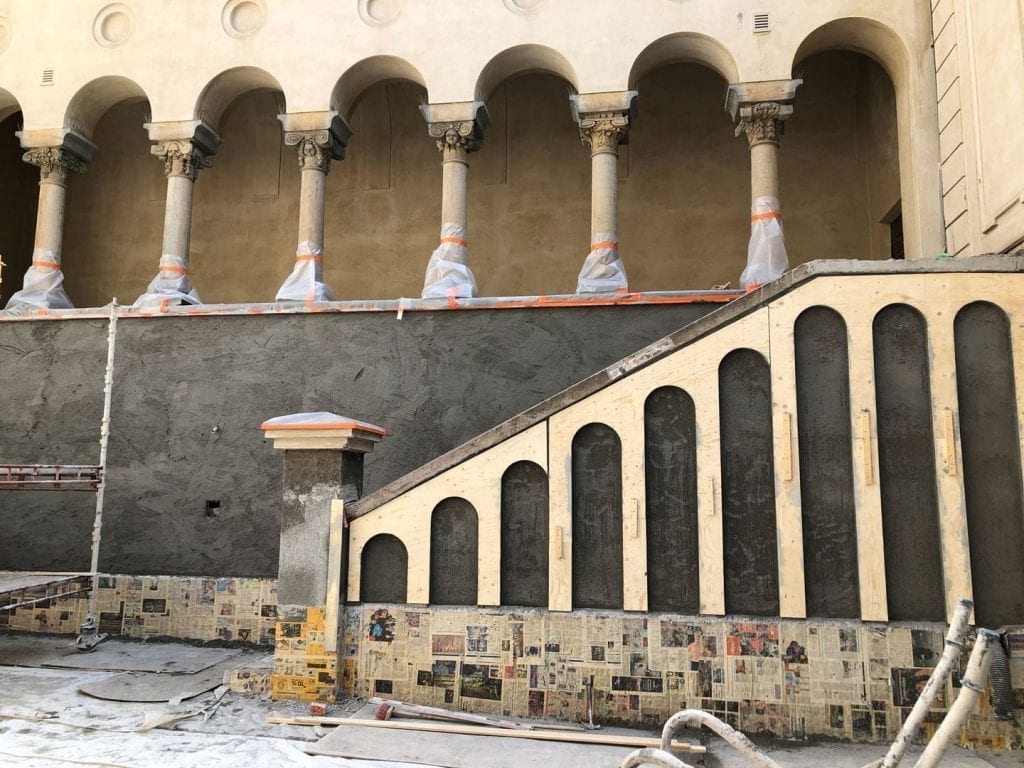
Historical sites require a greater number of surveys and studies than usual to assess the starting point. In addition, preparations are made for additional studies during the construction site phase. Besides the usual assessments and studies of the condition of the building and building services systems, the following may also be required, including:
• a building history survey
• colour and surface studies
• damage surveys (façades, decorative painted surfaces)
• measurement documentation (laser scanning, photogrammetry)
• an inventory Building Information Model (BIM).
The work carried out is carefully documented at the end of the project. This can result in a repair or restoration report, a conservation report or site documentation. In addition, all material generated during the project is compiled in a project bank. This ensures that future repairers have access to the information for the next round of repairs.
Senate publishes the building history surveys it has commissioned and other reports on its website accessible for everyone to read.
Upkeep and maintenance
Continuous maintenance is especially important for historic properties. Timely implementation of repairs and upkeep reduces the need for major repairs and ensures the building remains usable.
The aim is to commission a building history or cultural environment survey for all protected properties permanently preserved by the state to provide background information for maintenance projects. At the same time, building history material can be collected for each property and entered into the project bank system.
In a historic property, for example, façade repairs, window renovations and roof replacements require research, a knowledge of history and traditional materials, expert restoration designers and possibly a statement from the Finnish Heritage Agency. If the property contains, for example, valuable decorative paintings on the interior surfaces or other building elements comparable to works of art, their condition is monitored regularly, and a conservation round is ordered where necessary.
Repair projects
Work involving historic properties are planned and carried out in cooperation with museum and other authorities. Representative of the Finnish Heritage Agency is invited to take part in the renovation project already at the project planning stage. This ensures that the planning is geared towards preserving cultural and historical values from the outset. The principal designer acts as the point of contact with the Finnish Heritage Agency throughout the project.
Designers and contractors are required to have previous experience of historic buildings and traditional materials and working methods to be selected for projects. The experience required is demonstrated, for example, by corresponding references. When tendering for contracts, corresponding minimum project management requirements can also be set.
When functional or usage changes are required for a protected building, the solutions take into account the history and characteristics of the building. The objective is to preserve the building’s existing or typical spatial layout, materials and structures. Changes are focused on secondary spaces or spaces that have previously been modified.
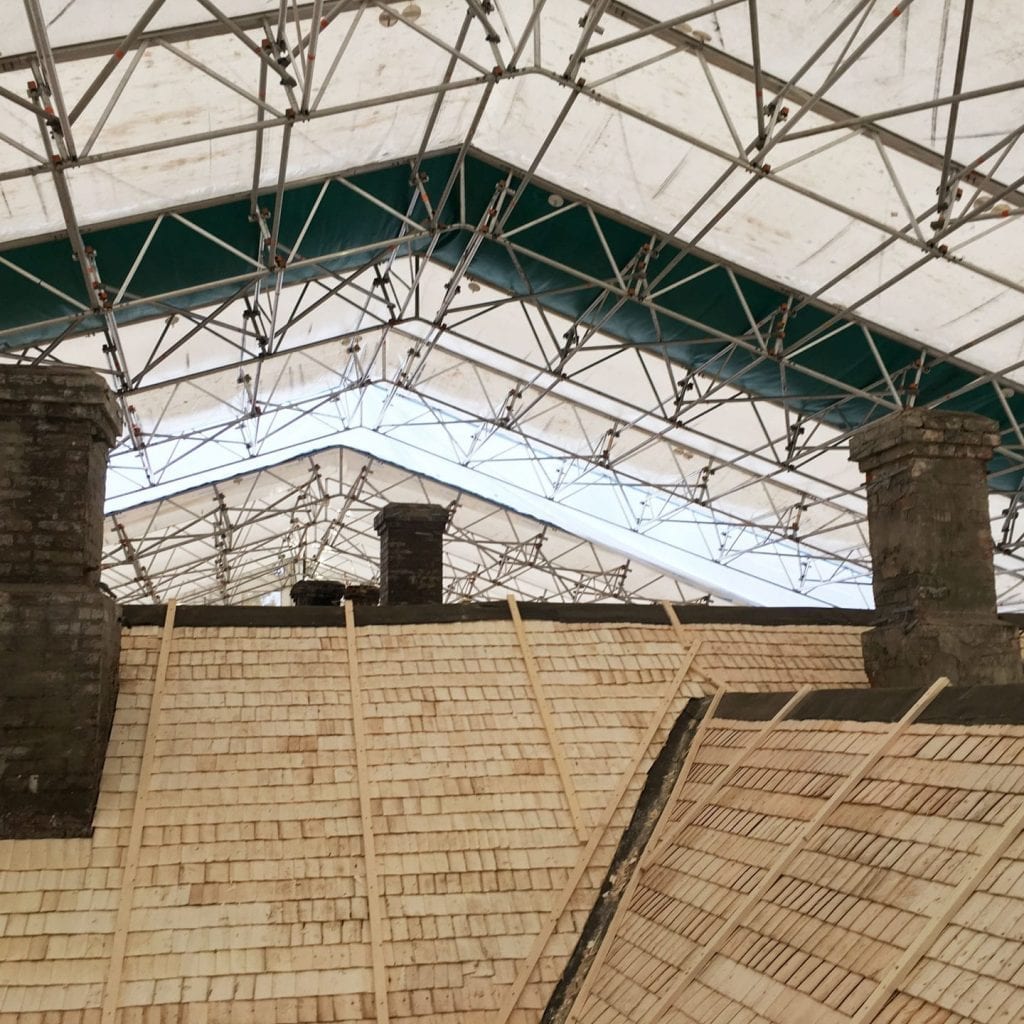
The principles of restoration are followed when repairing protected buildins. The aim is to preserve as many building elements and materials as possible. Similar structures and materials are used in repairs. Structures and surfaces to be preserved are protected to ensure they are not damaged during the building process.
The instructions and principles in the Finnish Heritage Agency’s guidelines are followed in repairs. Contractors must master the use of traditional materials and work methods.
The design of structures and building services systems starts with improving existing systems and structures and ensuring their functionality and safety. The aim is to make use of existing routes when updating technical systems. The solutions include preparations for future changes.
Solutions aimed at ensuring the safety and health of premises must be well-considered and based on sufficient studies and research. Whereas damaged structures will be replaced, there is no reason to change intact and functional structures.
Adaptive reuse or new spatial solution
The primary aim regarding historic properties is to maintain their existing use in order to avoid major modifications. The change of use is made on the basis of the characteristics of the building so that the new purpose does not jeopardise the conservation values. The aim is to adapt the new functions to the principles of the old room layouts and structures.
Under the Government Premises Strategy, space efficiency targets can be flexible for historic properties. For example, grand staircases and halls or wide corridors are excluded from space efficiency calculations.
Simple and reasonably sized solutions are preferred to improve space efficiency. Increasing the number of people also easily leads to an increase in the need for ventilation, which may subject a building in good condition to unnecessary modification work.
Real estate development and sale of high-end properties
Additional construction and infill development in areas of cultural and historical importance and in the vicinity of protected buildings will be carried out while respecting these buildings and cultural environments and promoting their preservation.
When selling properties with conservation value, the future owner is required to follow the instructions of the Finnish Heritage Agency in the renovation and protection of the buildings.