Visionary for better living environments
Finding compromises is both challenging and motivating.
I develop better housing and living environments together with cities and stakeholders. When I plan new land use together with planners and consultants, predicting the future and seeking compromises are the best and most challenging.
What particularly interests you in your job?
We develop state-owned properties that are no longer needed and sell them for reuse. I get to be involved in brainstorming and thinking about how to connect undeveloped or low-built areas to the surrounding city and how we can create the best possible living environments for them.
Since buildings have a lifespan of at least 50 years, we need to react to future changes now. We aim to anticipate how people’s lives, mobility and work will change going forward. For example, the establishment of teleworking will reduce the use of office buildings. Different technologies and changes in the way we move around affect traffic arrangements. If multiple place living becomes more common, people may no longer live in just one place. My work requires being able to master the big picture, goal-orientation and perseverance.
Who do you work with?
I work closely with consultants and various municipal units and stakeholders, such as environmental authorities, residents, real estate investors and builders. Among other things, I negotiate various land use options and land use agreements. Team support is always available also from Senate’s own Real Estate Development and Sales Unit of about twenty people.
Which project has particularly stuck in your mind?
Because development projects are long-term, I’ve not yet completed projects that I’ve started from scratch. However, in my opinion, the Kielotie site in Vantaa is a good example of a successful urban planning development project. The project is currently being implemented, and I had the honour of closing the project’s final real estate transaction for Senate.
I’m also involved in Senate Station Properties Ltd’s station area development projects in seven different trackside locations around Finland, including Hanko, Kirkkonummi and Oulu. The development of station areas is interesting and challenging. Each property has its own unique characteristics. Station areas have a significant impact on their immediate surroundings and what cities will look like.
3 principles that guide your work?
I’m guided by the principles of sustainable development, which are divided into ecological, economic, social and cultural sustainability.
- Ecological sustainability. Nature must be taken into account in projects in such a way that the project either improves the environment or at least does not worsen it. Not all sites necessarily have significant natural values, such as water bodies, but construction must have a minimum harmful effect on burden the environment.
- Economic sustainability. In order for the area to actually become a reality, the project must be economically viable. When we develop sites that are no longer needed and sell them for reuse, we support central government finances.
- Social and cultural sustainability. The areas we develop must be good to live and work in. Each stakeholder has their own vision of a good living environment. Finding compromises is both challenging and motivating.
About me
I joined Senate in 2019. Before then, I was involved in project development at Pohjola Rakennus Suomi Oy and worked for the City of Espoo as a land use expert and detailed planning engineer. I graduated as a land survey engineer from Metropolia University of Applied Sciences (YAMK).
Contact
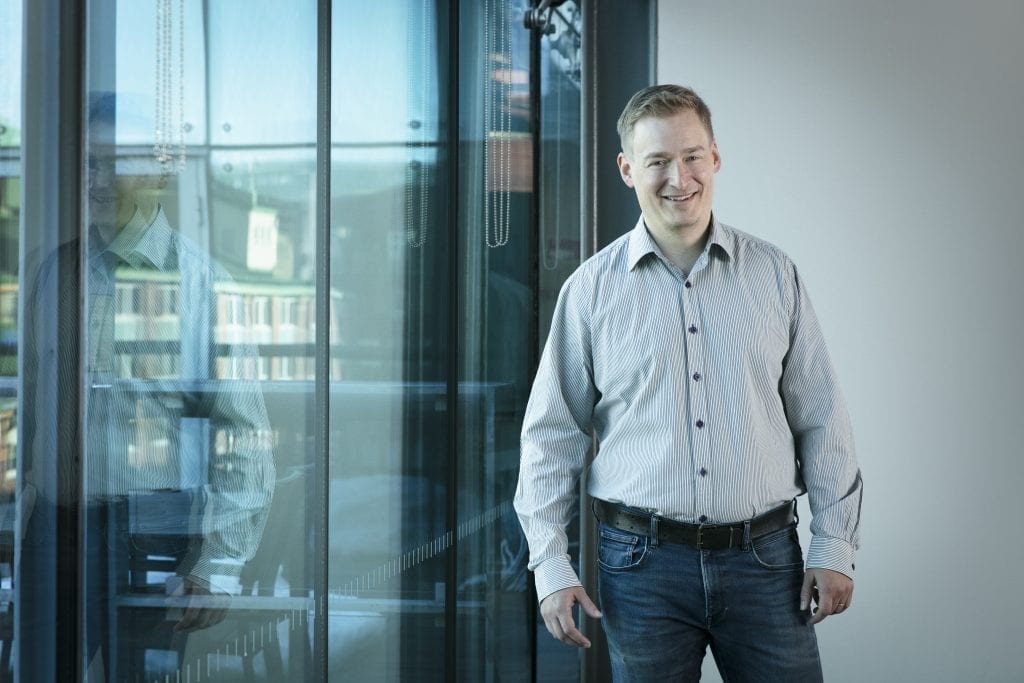
Janne Marttinen
Property Development Manager
+358 50 367 6466
janne.marttinen@senaatti.fihenkilölle Janne Marttinen